Cryptocurrency and FOREX Taxation in Cyprus (2026 Tax Reform Update)
Our blogs are regularly updated to ensure information is current and accurate.

Andreas is a Corporate Lawyer and Managing Director of EasyCorporate. Read more
Cryptocurrency Taxation in Cyprus
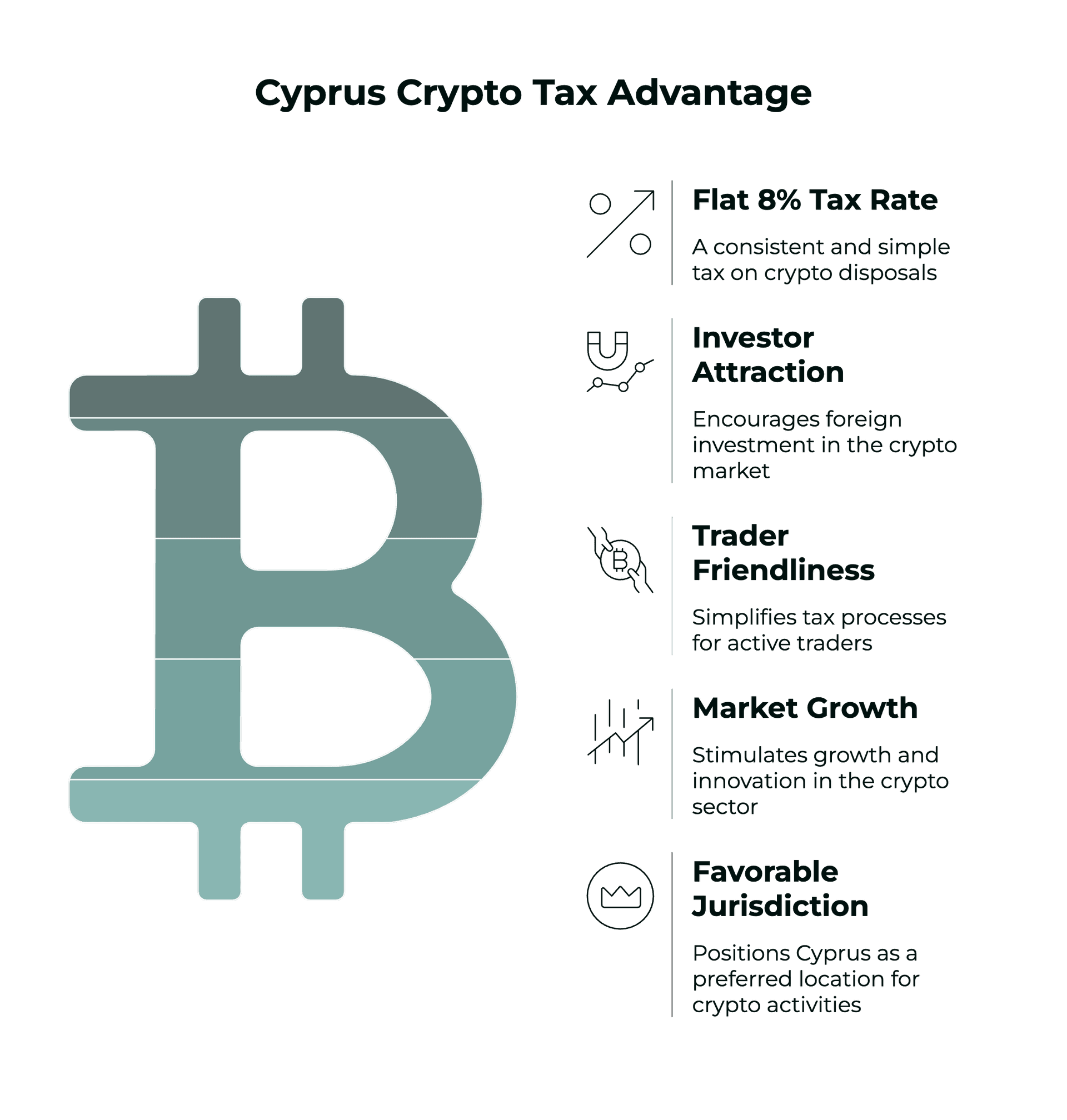
On January 2026, Cyprus introduced a flat 8% tax rate for cryptocurrency disposals.
What counts as Cryprocurrency disposal for tax purposes?
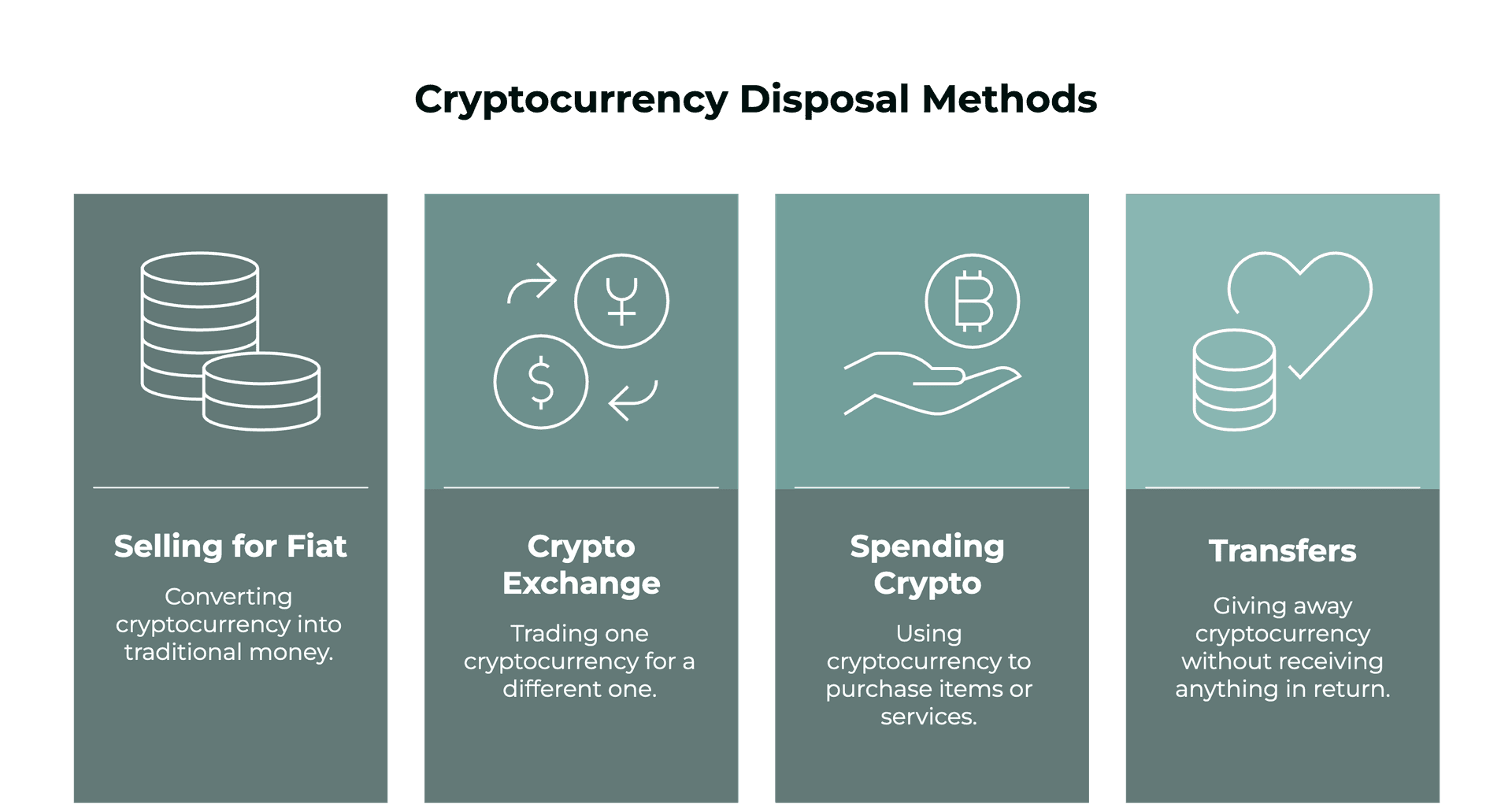
1. Selling crypto for fiat currency
Converting your cryptocurrency into traditional money like dollars or euros.
For example:
You sell 1 Bitcoin and receive euros in your bank account.
2. Exchanging one crypto asset for another
Trading one cryptocurrency directly for a different one.
For example:
You swap 1 Ethereum for 10 Solana on a crypto exchange.
3. Using crypto to pay for goods or services
Spending your cryptocurrency like cash to buy something.
For example:
You pay for a new laptop by sending €1,200 worth of Bitcoin to the retailer.
4. Donations or transfers without consideration
Giving your crypto to someone else without receiving anything in return.
For example:
You send 0.5 ETH to a charity or as a gift to a friend, expecting nothing back.
Mining Cryptocurrencies
When you earn cryptocurrency by mining, rather than buying it, it doesn't fall under the usual disposal rules and is not subject to the 8% tax. Instead, it's treated as regular income, just like a salary or freelance payment, and taxed under standard income tax rates.
So if you're mining as an individual, that income will be subject to Cyprus' progressive income tax rates. If you're mining through a company, the profits will be taxed at the corporate tax rate of 15%.
Understanding FOREX Taxation in Cyprus
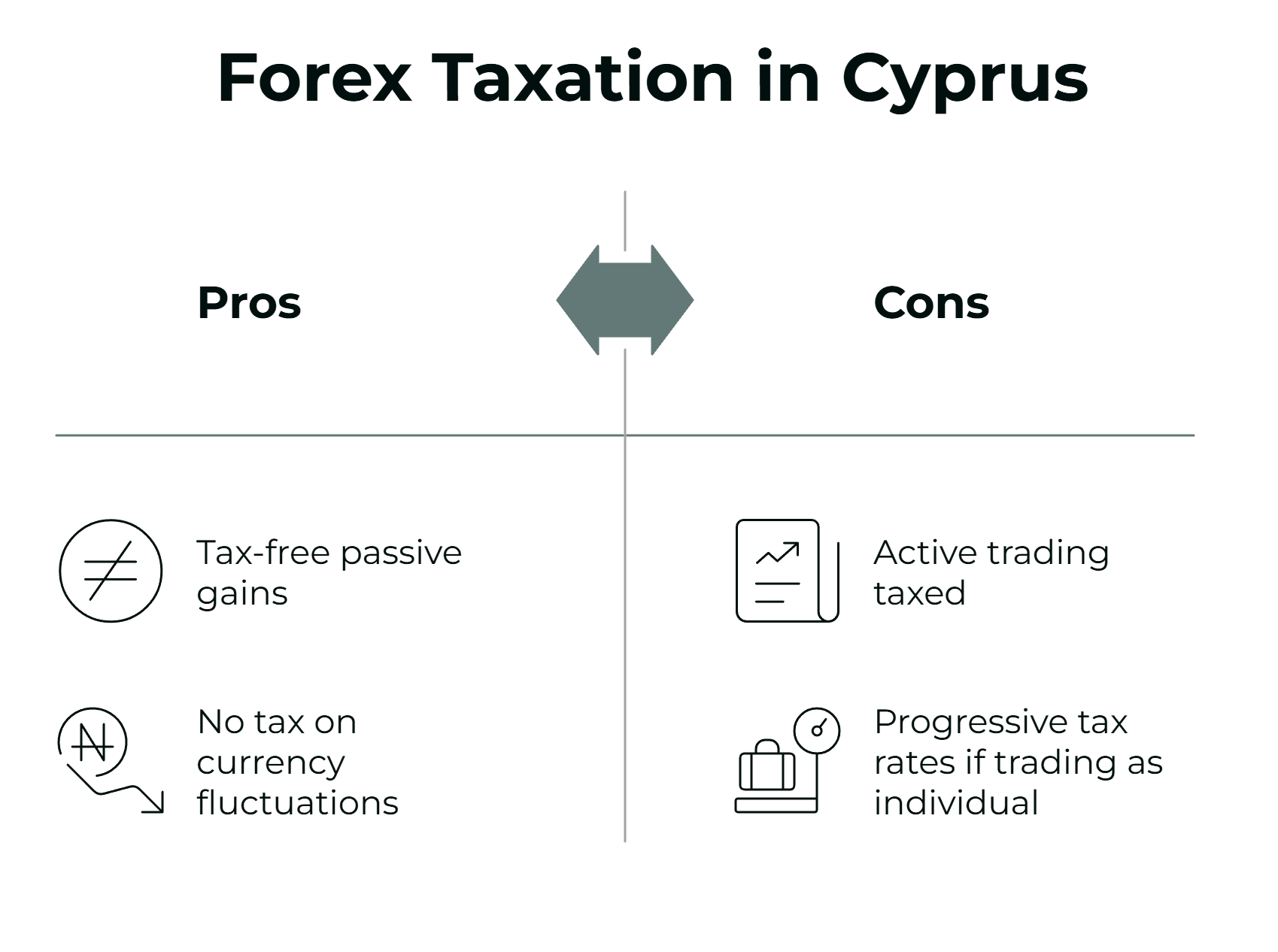
Tax-Free Gains from Exchange Rate Fluctuations
The law is more clear on the taxation of foreign exchange. Any profit resulting from exchange rate differences due to currency fluctuations is tax-neutral in Cyprus. This means that gains or losses from changes in exchange rates are not subject to income tax.
For example:
Let's say you have $1,000 in your bank account and one day the exchange rate changes, making the dollar worth more than when you originally bought it. This means that you can exchange your dollars for more euros than before. Simply put, you won't have to pay income tax on this increase in value whether such gain is realised or not.
Distinction Between Passive Holding and Active Trading
This exemption does not apply to profits made from trading currencies. Many people reading information online are confused by this and think that Forex trading is not taxed. This is incorrect.
If you're an active trader and you primarily buy and sell currencies with the aim of making a profit from short-term fluctuations in currency values then your profits will be taxed normally under income tax. The tax rates will be the same as those discussed above, depending on whether you are an individual or a company.
Common Misconception: Capital Gains Tax on Trading
Why Capital Gains Tax Does Not Apply to Crypto or FOREX
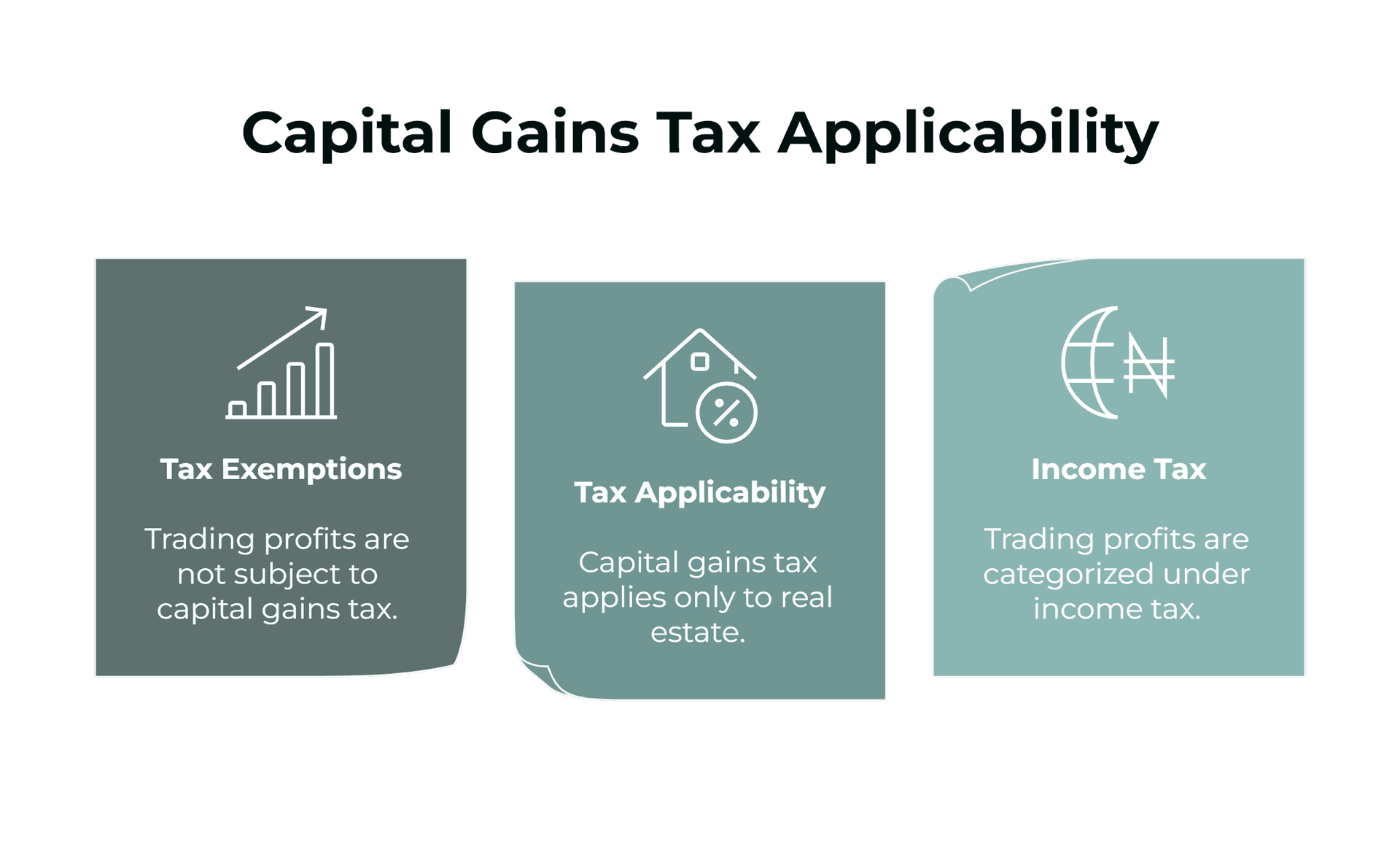
A common misconception is that trading profits are subject to capital gains tax. However, this is not the case.
Capital gains tax is only applicable to profits from the sale of property in Cyprus and the sale of shares of Companies who own property in Cyprus, as you can see in our guide on capital gains taxes in Cyprus.
So, if you're trading in cryptocurrencies or in foreign exchange, you do not have to worry about capital gains tax.
How to Know for Sure How Your Crypto or FOREX Activities Will Be Taxed
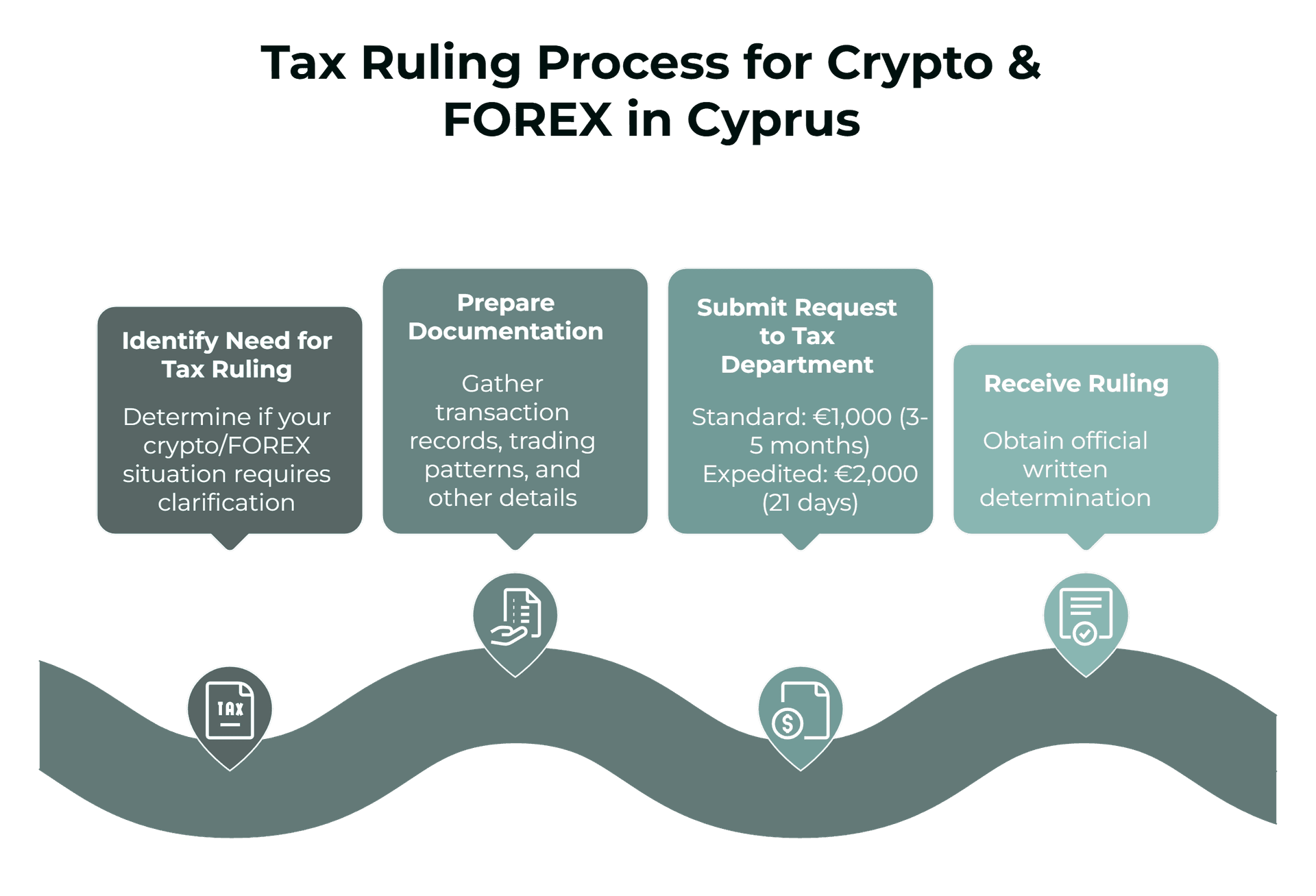
If you're not sure about how your cryptocurrency or FOREX activity will be taxed in Cyprus, there's an easy way to clear things up. You can request a tax ruling from the Cyprus Tax Department.
What Is a Tax Ruling?
A tax ruling is an official written response from the Cyprus Tax Department that explains how tax laws apply to your specific situation. Essentially, it’s a way to ensure you understand your tax obligations before committing to a financial decision.
What Does It Cost and How Long Does It Take?
Tax Department Fees:
- Standard tax ruling: Costs €1,000, with a response time of 3–5 months.
- Expedited tax ruling: Costs €2,000, with a guaranteed response within 21 business days.
It's usually a good idea to get professional help to make sure your application is complete and accurate. The fees will depend on how complex your case is.
Why Consider a Tax Ruling?
A tax ruling clears up any uncertainty and helps you avoid future disputes with tax authorities.
Need Help Applying?
Thinking about requesting a tax ruling but not sure where to begin? We’ve got you covered. Our team will handle the entire process for you, making sure everything is done right and on time. Contact Us Today to get started!
Our blogs are regularly updated to ensure information is current and accurate.
FAQ: Common Questions About This Topic
Is Cyprus crypto friendly?
Yes, Cyprus is considered crypto-friendly especially after the introduction of the 8% flat tax rate, making it attractive for crypto businesses and investors.
Are unrealised crypto gains taxed?
No. As long as you haven't sold, swapped, or otherwise disposed of your cryptocurrency, you have no tax obligation. You only trigger a taxable event when you actually dispose of your asset.
Will MiCA affect crypto taxation in Cyprus?
No, MiCA focuses on compliance for crypto providers, not tax policy. It will, however, bring stricter rules like AML oversight.
What records do I need to keep for my crypto trading activities in Cyprus?
Keep detailed records of all transactions including purchase dates, sale dates, prices, and the exchanges used. Document the source of funds for purchases and maintain screenshots of significant trades. For tax purposes, you'll need to track both crypto-to-fiat and crypto-to-crypto transactions.
If I mine cryptocurrencies in Cyprus, how is this taxed?
Mining income is generally considered self-employment income and is subject to personal income tax rates, social insurance, and GHS contributions unless you're operating under a company where you pay the corporate tax rate. You can deduct related expenses such as electricity costs and equipment depreciation. Mining rewards are valued at the market price of the cryptocurrency on the day they're received.
What happens if I get paid in cryptocurrency for my work in Cyprus?
Receiving salary or freelance payments in cryptocurrency is treated as regular income. The income should be declared based on the crypto's market value in euros on the date of receipt. You'll need to pay regular income tax, social insurance, and GHS contributions on this income, just as you would with fiat currency payments.
Are unrealised crypto gains taxed?
No. As long as you haven't sold, swapped, or otherwise disposed of your cryptocurrency, you have no tax obligation. You only trigger a taxable event when you actually dispose of your asset.
What if I just hold my crypto and never sell?
You owe no tax. Cyprus only taxes crypto when you dispose of it. Holding does not trigger any tax obligation.
If I'm a non-resident but trade through a Cyprus-based exchange, do I need to pay Cyprus taxes?
Tax liability depends on your tax residency status, not the location of your exchange. If you're not a Cyprus tax resident and don't manage your trading activities from Cyprus, you generally won't be liable for Cyprus taxes.